January 14, 2026
In the competitive world of dining, every detail counts towards the overall customer experience. Among these details is the choice of napkin material. While paper napkins have been a popular choice for their convenience, cloth napkins offer several compelling benefits that can elevate your restaurant's reputation and customer satisfaction. This article explores the reasons why your restaurant should choose cloth napkins over paper napkins.
Environmental Impact
Cloth napkins significantly reduce waste compared to their paper counterparts. Each time a customer uses a paper napkin, it contributes to the growing amount of waste that ends up in landfills, exacerbating environmental degradation. On the other hand, cloth napkins are reusable, meaning that a single set can serve many customers over time, thus minimizing waste production. According to Total Food Service, the typical diner uses two and a half paper napkins per dinner, so the cost plus waste disposal is equal to that of one cloth napkin, reinforcing the idea that paper napkins actually increase operational waste. By choosing cloth napkins, your restaurant can demonstrate a commitment to sustainability by significantly reducing its waste footprint.
Cloth napkins are crafted from durable materials such as cotton, linen, or blends, which are specifically designed for repeated use. Unlike paper napkins, which are single-use and disposable, cloth napkins can be washed and reused multiple times without compromising their quality or effectiveness. This reusability aligns with the principles of sustainability, promoting conservation of resources and reducing the demand for raw materials. Restaurants that prioritize sustainability understand the importance of integrating reusable products into their operations to support long-term ecological balance. Consequently, adopting cloth napkins communicates a strong message about environmental responsibility, greatly resonating with eco-conscious diners.
The production and disposal of paper napkins contribute to a larger carbon footprint compared to the lifecycle of cloth napkins. Manufacturing paper napkins involves energy-intensive processes that emit significant amounts of greenhouse gases. Additionally, the frequent transportation required for restocking disposable napkins further adds to carbon emissions. Conversely, the production and laundering of cloth napkins generate far fewer carbon emissions over time. By incorporating cloth napkins, your restaurant can play a proactive role in reducing carbon output, aligning with global efforts to combat climate change.
Cost Efficiency
While the initial purchase cost of cloth napkins might be higher, they offer substantial long-term savings. Cloth napkins do not need to be purchased as frequently because of their durability and reusability. Many restaurants find that the cost of laundering cloth napkins is offset by the savings gained from not continually purchasing disposable paper napkins. Over time, these savings can be quite significant, providing a financial advantage while also promoting sustainable business practices. Therefore, the investment in cloth napkins pays off by reducing recurring expenses associated with paper napkins.
Cloth napkins are inherently more durable than paper napkins, making them an ideal choice for restaurants seeking to optimize cost-efficiency. Constructed to withstand numerous wash cycles, cloth napkins maintain their aesthetic and functional properties over time. This durability minimizes the need for frequent replacements, ensuring that your initial investment in high-quality napkins continues to benefit the restaurant over the long term. While paper napkins may seem cost-effective upfront, their disposability results in continuous purchasing and a less favorable cost-benefit ratio. Cloth napkins provide a dependable solution that combines longevity with financial viability.
Switching to cloth napkins involves an upfront investment in materials and potential laundering services. However, this investment is outweighed by the elimination of ongoing purchases required for paper napkins. As cloth napkins last significantly longer, they represent just a one-time cost for several years of use. This contrasts sharply with the constant need to restock paper napkins, which can be surprisingly expensive when considering the cumulative cost over time. From a cost-efficiency perspective, cloth napkins stand as a superior option that reconciles initial expenses with long-term savings.
Enhanced Aesthetic Appeal
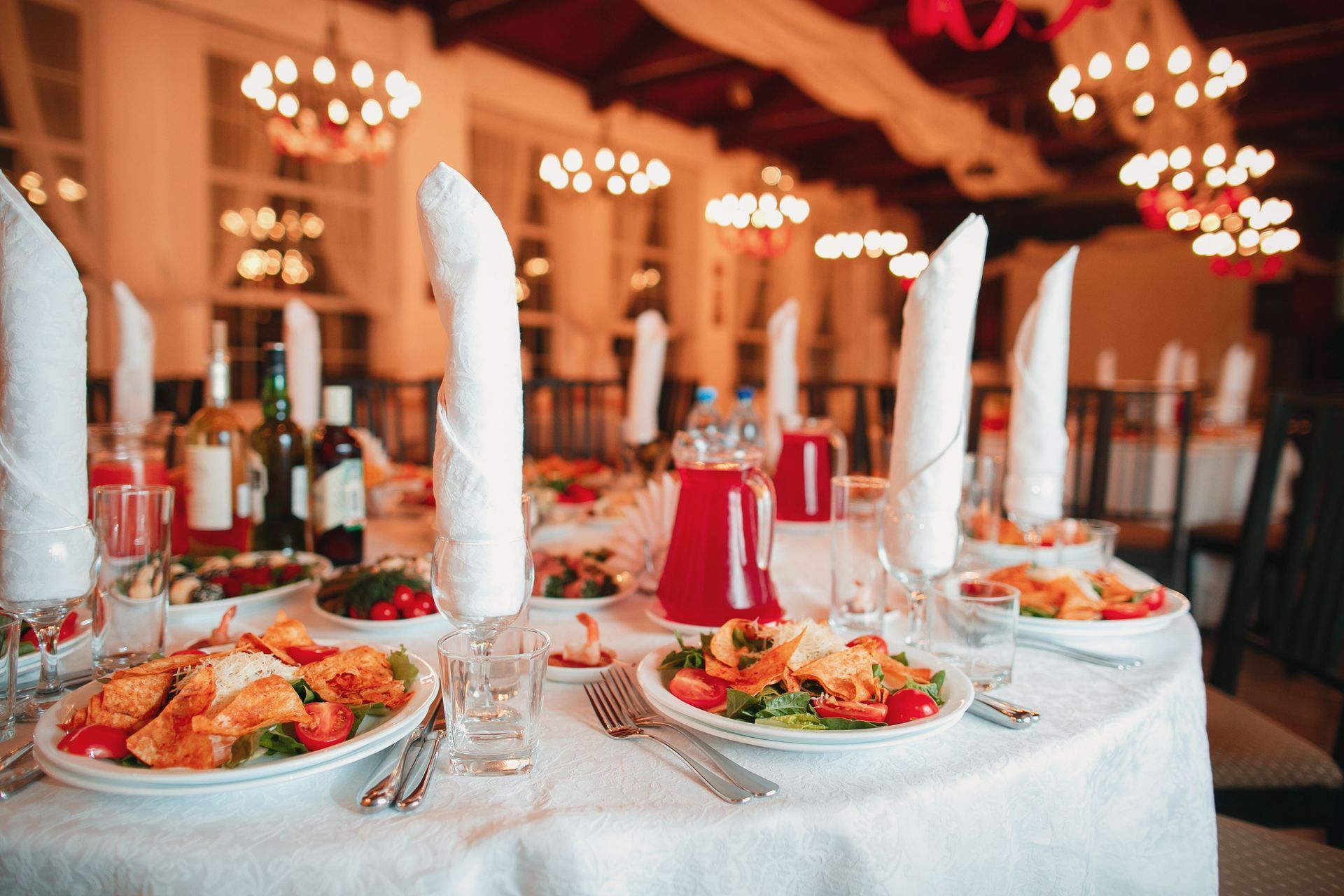
Cloth napkins can substantially enhance the aesthetic appeal of your restaurant's table settings. The texture and design of cloth napkins provide a touch of elegance and sophistication, creating an inviting atmosphere that is immediately perceptible to diners. Unlike paper napkins, which often appear flimsy and unremarkable, cloth napkins can hold a fold and retain their shape, allowing for more creative table presentations. This enhanced visual appeal can set a memorable first impression and elevate the overall dining experience, which is crucial in attracting and retaining customers. Consequently, integrating cloth napkins can greatly contribute to the restaurant's visual and experiential appeal.
The flexibility of design in cloth napkins offers restaurants the opportunity to cohesively align with thematic and seasonal aesthetics. Cloth napkins come in a myriad of colors, patterns, and styles, allowing establishments to customize their table settings according to their brand identity and ambiance. This level of customization is not achievable with generic paper napkins that come with limited design options. By selecting cloth napkins that complement the decor, restaurants can enhance visual consistency and create a unique dining environment. Moreover, the ability to change napkin designs seasonally allows venues to refresh their look while maintaining a luxurious feel.
Choosing cloth napkins can also positively influence the perception of your restaurant’s brand. Offering cloth napkins signifies a commitment to quality and attention to detail, traits that modern diners often associate with upscale and refined establishments. This commitment to excellence is discernible in the sensory experience cloth napkins provide, from their tactile feel to their eye-catching designs. As a result, cloth napkins not only elevate the dining experience but also enhance the overall brand image of your restaurant, conveying a message of professionalism and care. Leveraging cloth napkins thus becomes a strategic decision in influencing how patrons perceive and engage with your establishment.
Customer Perception and Satisfaction
Cloth napkins provide an immediate sense of luxury and comfort, distinguishing them from their paper counterparts. The soft, plush texture of cloth napkins imparts a feeling of opulence, making customers feel valued and pampered. This tactile experience can significantly enhance a diner’s meal, leaving a lasting impression of attentiveness and quality. Restaurants have the opportunity to elevate perceived customer satisfaction by integrating cloth napkins, establishing an environment where comfort meets elegance. The luxurious feel thus acts as a persuasive incentive for diners to choose and revisit a venue where they feel especially catered to.
Opting for cloth napkins communicates an unequivocal message about the quality standards upheld by your restaurant. Patrons interpret the use of cloth napkins as an indicator of thoughtfulness and diligence, reflecting a broader commitment to delivering exceptional dining experiences. This attention to detail can foster a positive impression, engendering trust and goodwill among guests. As modern diners are increasingly attuned to quality indicators, restaurants that consistently deliver superior tactile and visual components through items like cloth napkins can secure a favorable reputation. Consequently, accurate perceptions of quality drive customer satisfaction and advocacy.
Better overall customer experience, which cloth napkins contribute to, often correlates with increased customer loyalty and repeat visits. When diners perceive attention to detail and luxury in every aspect of service, they are more likely to become regular patrons. A high retention rate is invaluable, as returning customers typically spend more and are more likely to recommend the restaurant to others. Moreover, when discussing customer satisfaction, cloth napkins' enhancement of the dining experience contributes to positive word-of-mouth marketing. As such, cloth napkins, while subtle, play a significant role in fostering an environment conducive to customer loyalty.
Health and Hygiene
Cloth napkins can meet stringent sanitation and hygiene requirements, offering peace of mind for both restaurateurs and diners. Proper washing and handling processes ensure that cloth napkins remain clean and hygienic after each use. Commercial laundering services are adept at implementing sanitation protocols that eliminate bacteria, ensuring each napkin meets health standards before being set on tables. These established protocols are especially important in the context of heightened public health awareness. By prioritizing cloth napkins, restaurants can reassure diners that hygiene is a top priority while contributing to a safe dining environment.
Cloth napkins are laundered between uses, which minimizes the risk of germs spreading compared to paper napkins, which can sit exposed before use. Unlike paper napkins that are often handled by multiple people from manufacture to use, cloth napkins are part of a controlled washing and folding process. Limiting exposure to outside elements and multiple touches reduces the risk of cross-contamination. Furthermore, the robust cleaning processes for cloth involve high temperatures and specialized detergents, which are effective at eliminating contaminants. Thus, cloth napkins serve as a crucial component of a restaurant's hygiene strategy.
Cloth napkins offer superior absorption capacity compared to paper napkins, enhancing their practicality during dining. The enhanced thickness and weave of cloth napkins make them highly effective at absorbing liquid spills and wiping hands or faces, enhancing customer comfort. This ability to absorb more than a paper napkin ensures fewer napkins are required per guest, reducing both waste and energy consumption linked with manufacturing. Furthermore, the larger surface area and durability of cloth napkins provide an additional layer of functionality that customers appreciate. As cloth effectively manages spills, it contributes to a tidier, more comfortable dining experience.
Choosing the right napkins for your restaurant is more than just a decision between cloth and paper. It involves considering a multitude of factors, including environmental impact, cost efficiency, customer experience, and logistical aspects. A
commercial linen rental company can help supply you with the cloth napkins. By opting for cloth napkins, your restaurant can position itself as a leader in sustainability, enhance its image, and provide a superior dining experience. As the industry evolves, restaurants embracing cloth napkins align themselves with the future of dining trends and consumer expectations. Are you looking for a commercial linen rental company you can count on? Contact Tabletop Linen & Supply today.